Storm Damage Tree Removal
Why Storm Damage
Response Matters
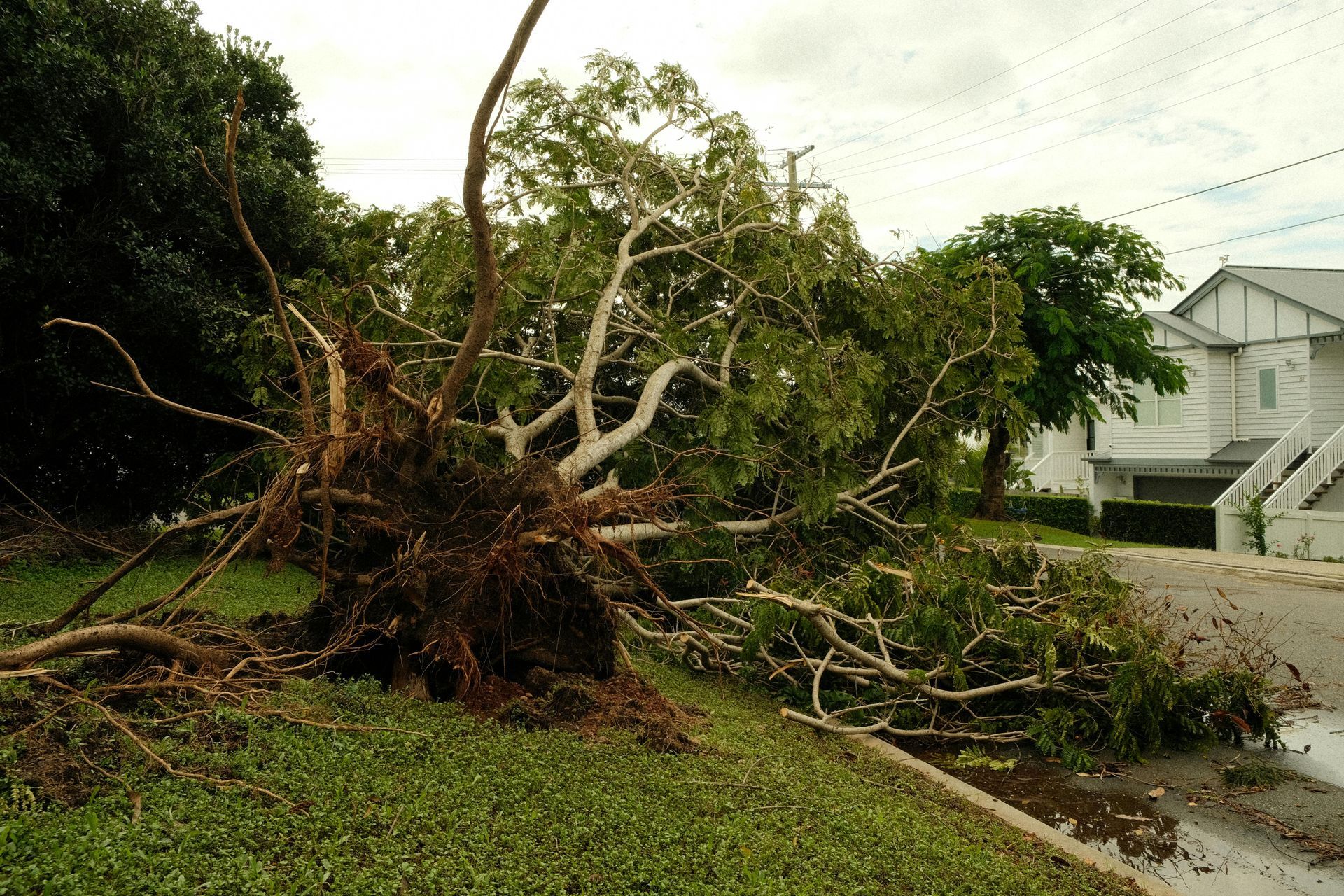
Storms can turn healthy-seeming trees into immediate hazards. Fallen limbs, split trunks, and uprooted trees threaten life, property, and access. Rapid, professional response reduces further property damage, minimizes safety risks, and speeds recovery. Reasonable Tree Service provides experienced storm damage response — securing sites, assessing structural risks, and performing safe removals and repairs.
Common storm-related hazards
Fallen trees blocking driveways, roads, or access points
Broken limbs or split trunks that can fall without warning
Trees leaning onto structures, power lines, or vehicles
Debris that creates trip hazards or obstructs emergency access
Root-damaged trees that may fail later if not addressed
Why choose Reasonable Tree Service for storm response
24/7 availability and rapid response and surrounding areas
Experienced crews trained in storm mitigation and hazardous tree removal
Safety-first procedures and proper coordination with utilities and emergency personnel
Documentation to support insurance claims and recovery work
Efficient cleanup and restoration of property access and safety
Fire risk after storms
Storm-damaged trees and accumulated debris can elevate fire risk, particularly during dry conditions. Reasonable Tree Service offers follow-up hazardous fuel reduction and defensible space creation to lessen fire hazards.
Our storm response priorities
Safety first
We secure the scene by establishing exclusion zones, stabilizing or bracing hazards when possible, and coordinating with utility companies or emergency services if lines or structures are involved.
Rapid assessment and triage
Our crews prioritize tasks based on risk. We identify life-safety hazards first (trees on homes or vehicles, risk to power lines), then proceed to clear primary access routes and mitigate additional risks.
Professional removal and stabilization
We conduct controlled removals of hazardous trees and branches using sectional dismantling, rigging, and cranes if needed. For trees that can be salvaged, we perform structural pruning and bracing.
Debris removal and site restoration
We haul away debris, grind stumps if needed, and restore access and safety. We document damage and work performed to assist with insurance claims when requested.
Typical storm cleanup steps
1. Initial call and triage scheduling
2. On-site assessment and identification of immediate hazards
3. Emergency stabilization for life-safety issues
4. Priority clearing to restore access and reduce imminent risk
5. Full removal of damaged trees and debris cleanup
6. Stump grinding, site remediation, and final inspection
Special scenarios and complex mitigation
Trees on structures: Work with insurance and first responders; secure site before removal.
Trees on power lines: Coordinate with utilities to ensure de-energization and safety.
Extensive storm events: We mobilize additional crews and coordinate priorities across multiple properties when necessary.
Frequently asked questions
What should I do if a tree falls on my house?
Prioritize safety and evacuate if the structure is unsafe. Call emergency services if there is immediate danger. For the tree, call us for emergency response and also notify your insurance company. Avoid touching downed power lines and keep clear until the utility company confirms safety.
Will you work directly with my insurance?
We can provide detailed documentation and work estimates that you can submit to your insurer. We also coordinate removal methods to meet claim requirements, but direct billing to insurance depends on your policy and provider.
How quickly can you respond after a storm?
We operate 24/7 for emergencies. Response times vary with call volume and severity of the storm; we prioritize life-safety hazards first.
Can damaged trees be saved?
Some damaged trees can be saved with structural pruning, bracing, and follow-up care. Our technicians will evaluate the tree and recommend preservation when it’s safe and feasible.
Do you handle large storm events?
Yes. For large-scale events, we mobilize additional crews and coordinate with clients and agencies to triage and clear hazards efficiently.
Contact and next steps
We are proud to be a locally operated tree service company that prioritizes safety, honesty, and quality work. Call us today to learn how we can help keep your trees and property safe and attractive.
Reasonable Tree Service