Professional Tree Trimming
Why Tree
Trimming Matters
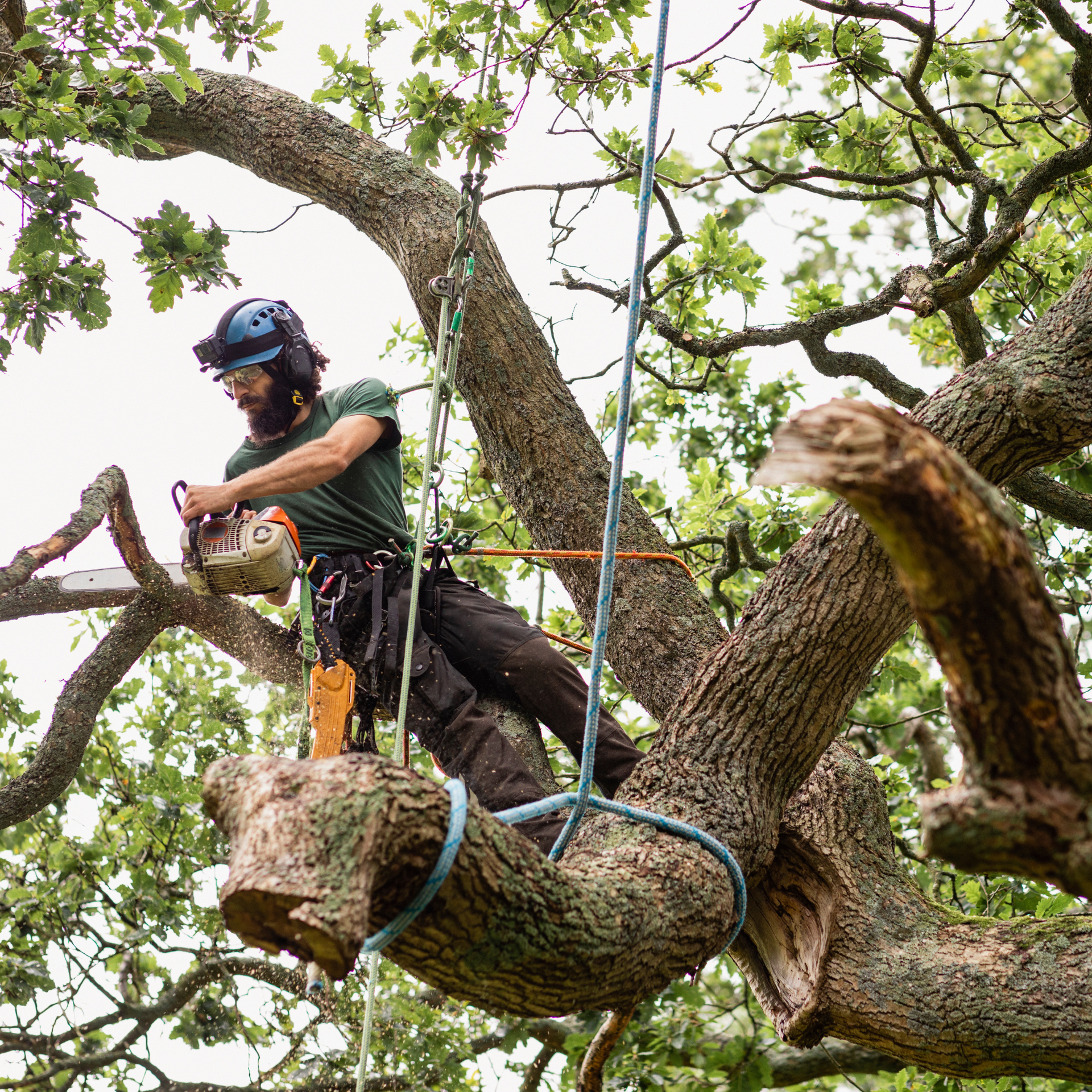
Tree trimming is essential for tree health, safety, and appearance. Proper pruning reduces the risk of limb failure, promotes strong structure, prevents interference with power lines and buildings, and enhances the aesthetics and longevity of trees. Incorrect pruning can cause stress, disease entry points, and ugly regrowth. Reasonable Tree Service uses species-specific pruning methods. We improve tree structure and health while preserving the tree's natural form.
Key benefits of professional tree trimming
Enhanced tree health and vigor through precise cutting techniques
Reduced hazard from dead or weak branches that could fall
Improved visibility and clearance for roads, sidewalks, and structures
Better light penetration and airflow to reduce disease risk
The promotion of strong branch attachments and reduced risk of storm damage
Increased property curb appeal and value
Our trimming process
Assessment and consultation
We evaluate species, branch structure, canopy density, and the goals of the homeowner or property manager. We discuss desired outcomes, potential risks, and timing.
Pruning plan
We outline the pruning approach: what will be removed, the rationale, and expected tree response. We avoid topping and other harmful practices that degrade tree health.
Precision pruning
Using sharp, clean tools, our crews make proper-cutting angle and location choices—removing branches just outside the branch collar to promote quick healing and minimize damage.
Cleanup and follow-up
After pruning, we chip and haul debris or leave mulch if requested. We recommend follow-up care and schedules for regular maintenance to support long-term health.
Tree balancing and advanced techniques
We use cabling and bracing to support trees with weak crotches or heavy limbs when preservation is preferred over removal. Structural reinforcement combined with selective pruning can extend the life of a valuable specimen.
Types of trimming and what they address
Crown thinning
Crown thinning selectively removes branches to allow light and air to penetrate the canopy. Thinning reduces wind resistance and lowers the risk of windthrow or limb failure. It’s ideal for older or dense trees where airflow and light need improvement.
Crown reduction
Crown reduction reduces the overall size of a tree, often to prevent conflict with utilities or structures while maintaining a balanced form. Reduction is performed gradually over time to prevent stress.
Deadwood removal
Removing dead, diseased, or dying branches reduces the risk of falling limbs and prevents disease spread. Deadwood removal is an essential safety measure and often the first step in maintaining tree health.
Clearance pruning
Clearance pruning creates safe distances between trees and roofs, sidewalks, streets, or utility lines. This improves safety and prevents damage from rubbing branches or falling limbs.
Structural pruning and tree balancing
Structural pruning corrects poor branch attachments and encourages a dominant leader for strong growth. Balancing crowns reduces weight concentration on weak limbs and promotes resistance to wind and snow loads.
Species-specific pruning
Different species require different pruning philosophies. For example:
- Oaks: minimal heavy pruning and cautious timing to reduce pathogen entry.
- Fruit trees: formative pruning to enhance production and airflow.
- Conifers: careful branch removal to preserve natural taper.
Commercial trimming considerations
Scheduled maintenance to keep sidewalks, parking lots, and access roads safe and code-compliant.
Tree care plans for shopping centers, campuses, and municipal properties.
Rapid response pruning for storm-damaged urban trees to reopen pathways and maintain safety.
Frequently asked questions
How often should I trim my trees?
Frequency depends on species, age, and site. Many mature trees benefit from pruning every 3–7 years; younger trees may need formative pruning more often.
Will trimming damage my tree?
Proper pruning performed by trained technicians benefits trees. Damage occurs when pruning is excessive, improperly executed, or when topping is used. We follow industry standards to protect tree health.
Can you trim trees near power lines?
We perform clearance pruning but coordinate with utility companies for work that requires line de-energization or specialized crews.
How much does trimming cost?
Costs vary by tree size, access, and complexity. We provide a transparent estimate after an on-site assessment.
Is pruning seasonal?
Many trees are best pruned in the dormant season, but safety pruning and deadwood removal can occur year-round.
Contact and next steps
We are proud to be a locally operated tree service company that prioritizes safety, honesty, and quality work. Call us today to learn how we can help keep your trees and property safe and attractive.
Reasonable Tree Service